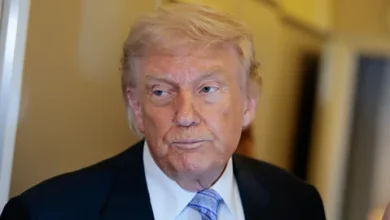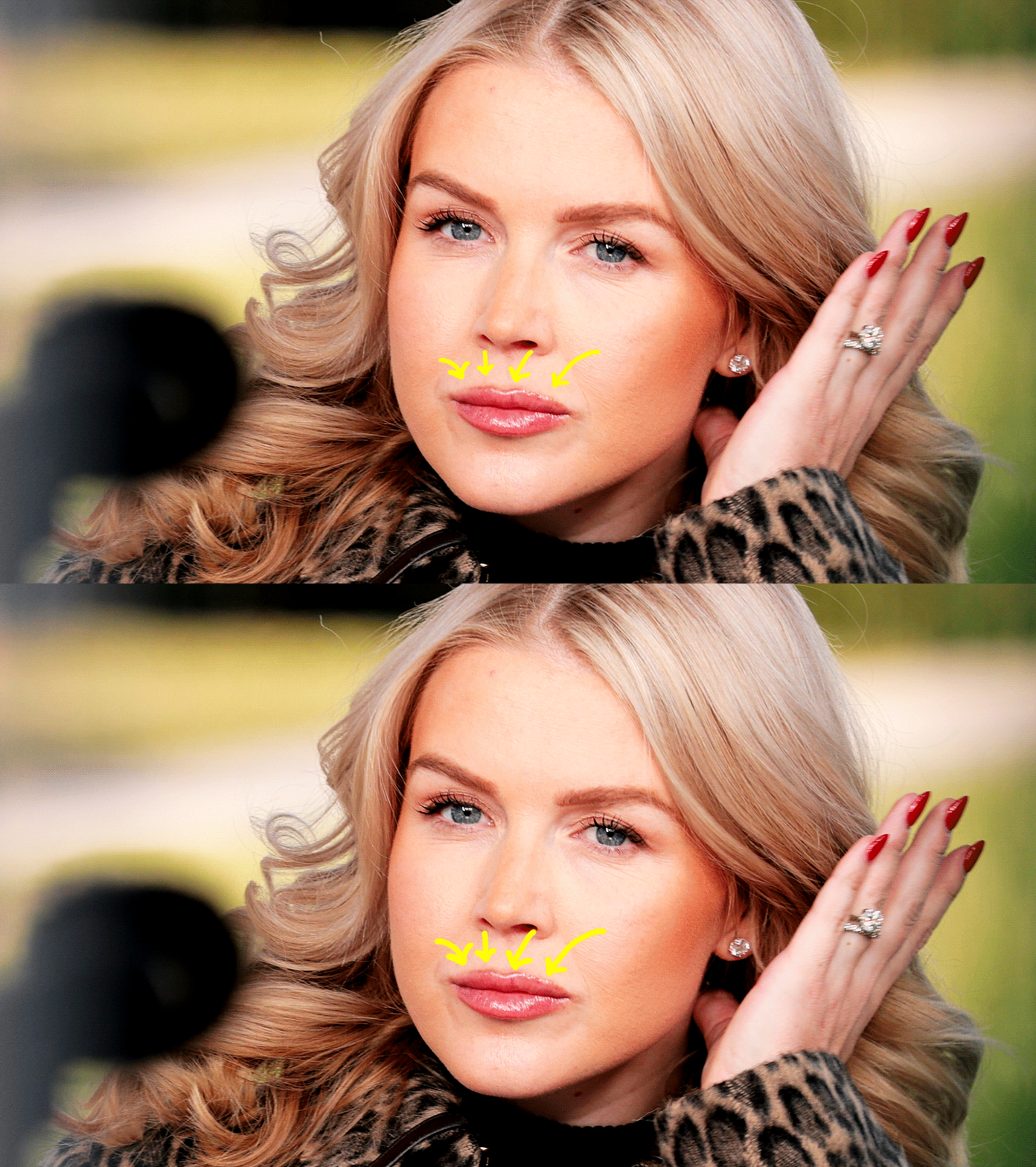
The phrase “karoline leavitt vanity fair” exploded across search trends this week, leaving many Americans wondering what suddenly pushed the young political figure back into the national spotlight. Social media feeds filled with heated reactions, commentary clips, and speculative discussions almost overnight. For some, it was about politics. For others, it reflected a growing fascination with how modern media platforms shape political personalities in real time.
What makes the story even more interesting is how quickly curiosity turned into a wider cultural conversation. Searches connected to Karoline Leavitt surged alongside discussions about media bias, political branding, and Gen Z conservative voices. The viral momentum surrounding “karoline leavitt vanity fair” shows how rapidly a single media moment can dominate online attention and influence public discourse in the United States.

Why “Karoline Leavitt Vanity Fair” Suddenly Started Trending
The sudden rise of “karoline leavitt vanity fair” in Google Trends did not happen by accident. Online audiences were already paying close attention to the young Republican commentator and former congressional candidate due to her growing media appearances and outspoken political style. Once her name became associated with Vanity Fair conversations circulating online, engagement skyrocketed across platforms like X, TikTok, YouTube, and Reddit.
Part of the reason the trend gained momentum is because Karoline Leavitt represents a new generation of political communicators. Unlike traditional political figures who rely heavily on cable television, she has built visibility through digital-first engagement. Younger audiences often respond strongly to personalities who appear direct, energetic, and media-savvy. As a result, every major media mention connected to her tends to generate rapid online reactions and viral sharing.
The Media Fascination Around Karoline Leavitt
The media world has increasingly focused on younger political personalities who understand internet culture. Karoline Leavitt fits that mold perfectly. Her rise reflects a broader shift in American politics where charisma, online presence, and short-form commentary can influence public visibility just as much as traditional campaign strategies.
The “karoline leavitt vanity fair” trend also highlights how lifestyle and political journalism now overlap more than ever before. Publications once known primarily for celebrity coverage are now deeply involved in political storytelling. This creates a unique environment where political figures are discussed not only for policy positions but also for personality, branding, and cultural relevance. That crossover is fueling massive online curiosity.
Social Media Played a Huge Role in the Viral Surge
Social media algorithms thrive on emotionally charged discussions, and the “karoline leavitt vanity fair” topic delivered exactly that. Within hours, clips, screenshots, and reaction posts spread rapidly across multiple platforms. Political supporters praised Leavitt’s communication style, while critics questioned the broader media narrative surrounding her growing influence.
TikTok creators especially helped amplify the trend. Many short-form videos broke down the situation in quick, dramatic formats designed for mobile viewers. These clips often used bold captions, reaction edits, and commentary overlays that encouraged users to stay engaged longer. That level of interaction signals platforms to push the content even further, creating a viral cycle that can transform a niche story into a nationwide trend almost instantly.
Karoline Leavitt’s Growing Influence Among Young Conservatives
One major reason “karoline leavitt vanity fair” continues gaining traction is Leavitt’s increasing popularity among younger conservative audiences. Many supporters view her as part of a rising political generation that communicates more aggressively and more directly than older establishment figures.
Her digital presence appeals strongly to audiences who consume politics through social media rather than television networks. Quick commentary videos, podcast appearances, and shareable interview moments have become powerful tools in shaping modern political influence. Analysts believe younger conservative personalities like Leavitt are redefining how political branding works in the internet era.
At the same time, critics argue that viral fame can sometimes overshadow deeper political discussion. They believe media attention increasingly focuses on personality-driven narratives instead of substantive policy conversations. Still, whether praised or criticized, Karoline Leavitt continues attracting attention at a pace many political strategists find remarkable.
Vanity Fair’s Cultural Power Still Shapes Conversations
Even in the digital age, Vanity Fair remains one of the most influential names in American media culture. The publication has long been associated with celebrity features, elite political coverage, and high-profile interviews. Whenever a political figure becomes linked with Vanity Fair discussions, public interest often increases dramatically.
That influence explains why the “karoline leavitt vanity fair” keyword performed so strongly in search engines. People were not simply searching for political news. They were searching for the cultural significance behind the moment. The combination of politics, media identity, and celebrity-style coverage created a powerful mix that attracted readers from multiple audiences at once.
This crossover appeal matters because Google Discover rewards emotionally engaging and curiosity-driven topics. Stories that combine politics, media buzz, and social reaction tend to perform especially well in mobile news feeds. The current trend surrounding Leavitt fits perfectly within that high-engagement formula.
Political Branding Is Changing Faster Than Ever
The rise of “karoline leavitt vanity fair” reveals how political branding has evolved dramatically over the last decade. In previous eras, politicians relied heavily on press conferences, campaign ads, and traditional interviews. Today, viral moments and online identity often shape public perception much faster than policy speeches.
Experts say younger voters increasingly connect with political figures through personality-based content. Authenticity, confidence, and digital fluency can now influence public engagement just as much as political experience. That shift has transformed how campaigns approach media exposure and audience outreach.
Karoline Leavitt’s growing visibility reflects this new environment. Whether appearing in interviews, social clips, or trending headlines, she understands how to remain part of the online conversation. That skill is becoming increasingly valuable in modern American politics where attention itself has become a powerful political currency.
The Internet’s Reaction Has Been Intensely Divided
One reason the “karoline leavitt vanity fair” discussion keeps trending is the sharply divided online response. Supporters argue that Leavitt represents confidence and strong messaging in an era where many younger voters feel disconnected from traditional politicians. They see her rise as proof that fresh political voices can still break through crowded media spaces.
Critics, however, believe viral political fame sometimes rewards controversy more than substance. Some commentators argue that internet-driven politics encourages emotional reactions instead of thoughtful debate. These disagreements have fueled ongoing engagement, keeping the topic active across social platforms and discussion forums.
The polarization itself is part of why the keyword continues climbing. Controversial conversations generate more comments, shares, and watch time. As engagement increases, algorithms continue promoting the topic to wider audiences, creating even more visibility.
Google Discover Trends Show Strong Curiosity Traffic
Search behavior around “karoline leavitt vanity fair” demonstrates how curiosity-driven traffic works in modern news ecosystems. Many users are clicking not because they already know the full story, but because they want context. Curiosity headlines remain one of the strongest drivers of Discover traffic across mobile devices.
Industry analysts note that political-media crossover stories frequently outperform standard political reporting in engagement metrics. Readers are naturally drawn to stories involving personality clashes, media influence, and internet reactions. This trend reflects broader changes in how Americans consume news content in 2026.
The mobile-first nature of Google Discover also favors emotionally engaging storytelling. Articles that combine narrative pacing, strong hooks, and conversational readability often perform significantly better than overly formal reporting. That is one reason trends like “karoline leavitt vanity fair” spread so rapidly across online audiences.
What This Trend Could Mean for Future Political Media
The current surge around “karoline leavitt vanity fair” may signal something larger happening within American political culture. Younger political personalities are becoming media brands themselves, capable of driving headlines independent of major campaign cycles or election seasons.
This shift could reshape how political journalism operates moving forward. Media outlets may increasingly focus on digital personalities who generate strong audience engagement rather than relying solely on traditional political figures. At the same time, politicians will likely continue adapting their communication styles for internet-first audiences.
Experts predict that viral political storytelling will only become more influential in future elections. Platforms driven by engagement metrics reward emotionally compelling content, especially when it sparks debate. Figures who understand that environment may gain a major advantage in shaping public attention and media visibility.
Why Americans Cannot Stop Searching This Topic
Ultimately, the “karoline leavitt vanity fair” phenomenon combines everything modern internet audiences find compelling: politics, media influence, generational change, controversy, and viral storytelling. It is not just about one person or one publication. It represents a larger collision between political identity and digital culture.
The trend also proves how quickly narratives can evolve online. A single moment of attention can transform into a nationwide conversation within hours. That speed continues changing the relationship between public figures, media outlets, and audiences across the United States.
As discussions continue growing online, one thing is clear: curiosity around Karoline Leavitt is far from fading. Whether supporters or critics drive the conversation next, the internet will keep watching closely. If you want to stay ahead of the latest trending political stories and viral media moments, now is the time to follow the conversation and see where the next headline leads.