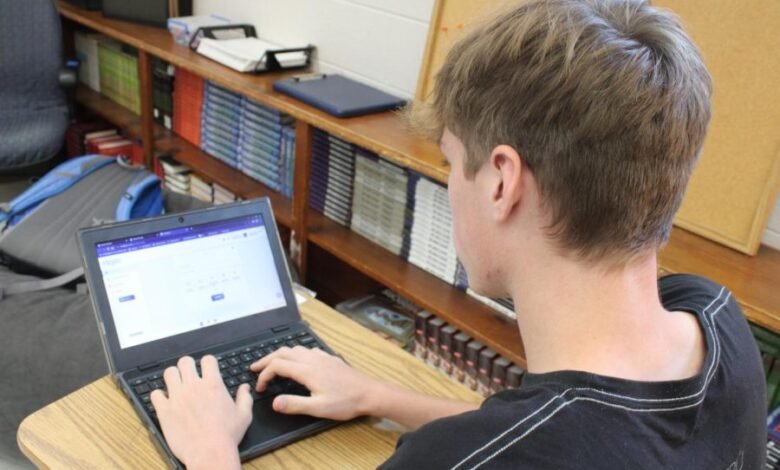
The phrase “e hall pass” is suddenly everywhere. Students are talking about it in classrooms, parents are questioning it online, and school administrators across the United States are defending why digital monitoring systems are becoming the new normal. What started as a simple replacement for paper hallway slips has now turned into one of the most controversial education technology trends of the year. From viral TikTok discussions to heated school board meetings, the rise of the e hall pass system is exposing deeper concerns about privacy, student freedom, school safety, and the future of education in America.
Many students say the technology feels restrictive, while school officials argue it is helping reduce vaping, hallway fights, and class skipping. That tension is exactly why the topic has exploded into trending news territory. As more districts adopt smart school monitoring tools, the debate surrounding e hall pass systems is only getting louder. The conversation is no longer just about bathroom breaks. It is becoming a national discussion about trust, technology, and how schools manage student behavior in the digital age.


Why the E Hall Pass System Is Suddenly Trending
The recent surge in online searches for e hall pass systems did not happen by accident. Over the past few months, several school districts introduced stricter digital hallway tracking policies that immediately sparked reactions from students and parents. Viral social media videos showing students waiting for digital approval to leave classrooms gained millions of views, pushing the keyword into Google Discover feeds and trending discussions nationwide.
At the same time, education technology companies have been promoting digital campus management systems as essential safety tools. Many schools argue that e hall pass platforms help administrators monitor student movement more efficiently during emergencies and reduce unsupervised gatherings in hallways. Supporters claim these systems can identify patterns linked to bullying, vandalism, and vaping hotspots, making campuses safer overall. That combination of viral attention and growing school adoption has turned e hall pass into one of the most talked-about education trends in the United States.
How E Hall Pass Technology Actually Works
For many parents unfamiliar with the system, an e hall pass platform is essentially a digital permission tool that replaces traditional paper passes. Students request permission through school-issued devices or apps, and teachers approve or deny the request in real time. Some systems even limit how many students can leave at once or block access to certain areas during class periods.
The technology also creates detailed digital records. Schools can see how long students stay out of class, which locations are visited most frequently, and whether certain students repeatedly meet during instructional time. Critics say this level of monitoring feels invasive, especially for teenagers who already feel overwhelmed by constant digital surveillance. However, school administrators argue the data helps identify safety risks before they escalate into serious incidents.
Students Are Divided Over the Digital Hallway System
One reason the e hall pass debate has become so emotional is because student reactions are deeply divided. Some teenagers say the system creates unnecessary stress and embarrassment. Viral posts online describe students being denied restroom access during class because too many passes were already active. Others claim the systems make them feel distrusted or constantly watched.
Still, not every student opposes the technology. In some schools, students appreciate that digital passes reduce hallway congestion and cut down on disruptions during lessons. Supporters also say the systems prevent certain students from abusing hallway privileges and interrupting classes repeatedly. The split in opinion has fueled intense discussions across social media platforms, especially among Gen Z users who are highly sensitive to issues involving digital privacy and institutional control.
School Districts Say Safety Is the Top Priority
School administrators across the United States continue defending e hall pass systems as important safety measures. Many districts point to rising concerns about school violence, vaping incidents, and unsupervised gatherings as reasons they needed better hallway monitoring tools. Some schools reported significant reductions in restroom vandalism and class-skipping after introducing digital pass systems.
Education officials also emphasize that managing student movement became more important after pandemic-related disruptions changed student behavior patterns. Administrators argue that digital tools provide faster oversight and allow staff to respond more quickly during emergencies. In larger campuses with thousands of students, school leaders believe manual paper systems are no longer practical for maintaining security and accountability throughout the day.
Parents Are Raising Questions About Privacy Concerns
While schools focus on safety benefits, many parents are focusing on data privacy. Critics worry about how student movement information is collected, stored, and potentially shared. Since e hall pass systems often track timestamps, locations, and student behavior patterns, some families fear the technology could normalize surveillance culture for young people.
Privacy advocates have also questioned whether students fully understand how much information these systems collect. Concerns have grown especially in districts where schools use third-party education technology vendors. Parents want transparency regarding who owns the data, how long records are kept, and whether information could ever be accessed outside school systems. Those questions have become central to the national debate surrounding digital student monitoring.
Social Media Helped Turn E Hall Pass Into Viral News
The power of TikTok, YouTube Shorts, and Instagram Reels played a massive role in turning e hall pass into a trending keyword. Students began posting clips of rejected hallway requests, countdown timers, and teacher approval screens. Some videos framed the technology as humorous, while others portrayed it as frustrating and excessive. The emotional reactions helped the topic spread rapidly across social platforms.
Influencers and student creators also connected the issue to larger conversations about digital freedom and school policies. That broader framing helped transform what could have been a niche education technology topic into mainstream news. Once national media outlets picked up the story, search interest exploded even further. Google Trends data showed a sharp increase in searches related to digital hall passes, school surveillance tools, and student monitoring apps.
Education Technology Companies Are Seeing Rapid Growth
As the e hall pass conversation grows, education technology companies are experiencing major attention from school districts nationwide. The broader EdTech industry has expanded rapidly in recent years, especially after schools increased digital learning investments during the pandemic. Digital attendance systems, classroom monitoring tools, and campus management software are becoming common across American schools.
Industry analysts predict that demand for school safety technology will continue rising over the next several years. Companies behind digital pass systems are positioning themselves as essential partners for modern campus management. They argue their platforms save instructional time, reduce classroom disruptions, and provide actionable insights for school administrators. However, growing public scrutiny means these companies may soon face stronger regulations regarding student privacy and data protection.
Could E Hall Pass Systems Become the New National Standard?
Many education experts believe digital hallway systems could eventually become standard in American schools, especially as campuses continue integrating smart technology into daily operations. Schools are already using digital attendance platforms, online testing systems, and AI-powered learning tools. For some administrators, e hall pass systems are simply the next step in modernizing school infrastructure.
At the same time, backlash from students and parents could slow nationwide adoption. Several districts have already faced public criticism after introducing strict digital monitoring policies. If privacy concerns continue growing, lawmakers may eventually introduce regulations limiting how schools collect and use student behavioral data. That means the future of e hall pass technology will likely depend on whether schools can balance security needs with student trust and personal privacy.
The Bigger Debate Behind the E Hall Pass Trend
What makes the e hall pass conversation so important is that it reflects larger cultural questions happening across the United States. Americans are increasingly debating how much monitoring is acceptable in schools, workplaces, and public life. For students growing up in an era of smartphones, facial recognition, and social media algorithms, digital hallway tracking feels connected to a much bigger issue about personal freedom.
Education experts say the debate may ultimately reshape how schools approach discipline and campus management in the future. Some believe technology can improve school safety without harming student independence, while others fear excessive monitoring could damage trust between students and educators. Either way, the rapid rise of e hall pass systems shows how quickly education technology can spark national conversations far beyond the classroom.
What Happens Next Could Change School Technology Forever
The e hall pass debate is not disappearing anytime soon. As more school districts adopt digital monitoring systems, public attention will continue growing. Parents want answers about privacy, students want more flexibility, and schools want safer campuses. Those competing priorities are creating one of the most fascinating education stories of the year.
Whether people support or oppose the technology, one thing is clear: e hall pass systems are changing how schools operate in the digital era. The coming months could determine whether these tools become permanent fixtures in American education or face stronger pushback from communities demanding limits on student surveillance. As the conversation continues trending nationwide, millions of families will be watching closely to see how schools respond.
What do you think about the growing use of e hall pass systems in schools? Share your thoughts and join the conversation shaping the future of education in America.