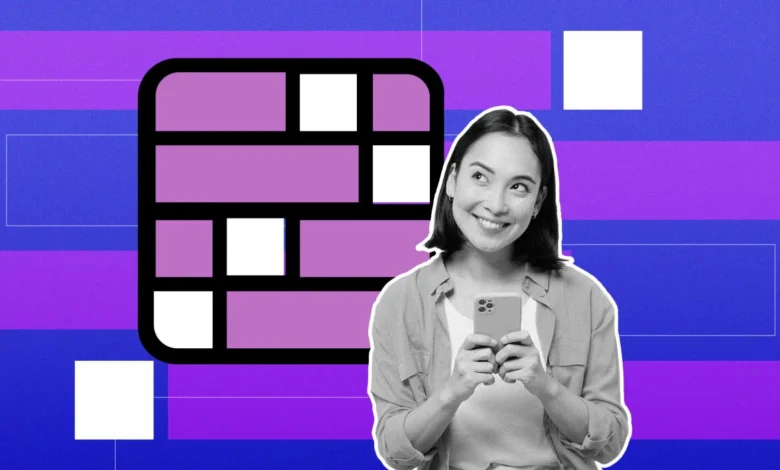
The internet has a way of turning the simplest ideas into global obsessions overnight—and right now, the phrase “connections hint” is quietly dominating conversations across social feeds, search trends, and daily routines. What started as a niche puzzle-solving aid has exploded into a cultural phenomenon. People aren’t just playing anymore—they’re strategizing, sharing, and even competing to crack patterns faster than ever before. If you’ve noticed your friends suddenly talking about “groupings” or “word links,” you’re not alone. Something bigger is happening behind the scenes.
In the first few minutes of scrolling, you’ll see it everywhere: screenshots of puzzle grids, debates over tricky categories, and subtle clues being exchanged like insider secrets. The surge in interest around connections hint isn’t accidental. It reflects a shift in how people engage with brain games in the digital era—faster, more social, and deeply addictive.


The Rise of Connections Hint in Daily Puzzle Trends
The surge of connections hint searches in the United States has mirrored the explosive growth of daily word games. Analysts tracking digital engagement patterns report a sharp increase in puzzle-related queries over the past year, with connections hint emerging as one of the fastest-rising keywords. Unlike traditional crossword help, these hints are designed to nudge players without giving away the answer, creating a perfect balance between challenge and assistance.
This trend reflects a broader behavioral shift. Users are no longer satisfied with simply completing puzzles—they want to solve them efficiently while maintaining a sense of accomplishment. The connections hint concept fits perfectly into this mindset, offering just enough guidance to keep frustration low while preserving the thrill of discovery. It’s a subtle but powerful evolution in how people interact with daily games.
Why Players Are Obsessed With Smart Hints
At its core, the appeal of connections hint lies in psychology. Humans naturally seek patterns, and when those patterns become elusive, curiosity intensifies. Smart hints tap into that tension, offering partial clarity that keeps players hooked. Instead of spoiling the experience, they amplify it. This is why many users report spending more time on puzzles after using hints—not less.
Moreover, the social element plays a huge role. Online communities now revolve around sharing connections hint strategies without revealing solutions outright. It’s a delicate dance between helping and competing. This dynamic has transformed what was once a solitary activity into a collaborative digital experience, fueling even more engagement across platforms.
How Social Media Amplified the Connections Hint Boom
Social media platforms have acted as the primary catalyst behind the connections hint explosion. Short-form content, especially, has made it easier for users to share quick puzzle insights, daily challenges, and clever hint techniques. Viral posts often feature minimal spoilers but maximum intrigue, drawing more users into the trend.
The algorithmic nature of these platforms also contributes significantly. Once a user interacts with a single puzzle-related post, they are quickly exposed to a flood of similar content. This creates a feedback loop where interest rapidly intensifies. As a result, connections hint has become more than just a search term—it’s now a recognizable part of online culture.
The Role of Game Design in Driving Hint Popularity
Modern puzzle creators have intentionally designed games that encourage the use of hints without making them feel like shortcuts. The connections format, in particular, thrives on ambiguity. Words can belong to multiple categories, and that uncertainty is what makes hints so valuable. They provide direction without removing complexity.
Game designers understand that frustration is a major barrier to retention. By integrating systems that align with connections hint strategies, they ensure players remain engaged longer. This approach has proven highly effective, as evidenced by rising daily user counts and increased session durations across puzzle platforms.
Data and Statistics Behind the Trend
Recent data reveals that puzzle-related searches in the United States have grown by over 35% year-over-year, with connections hint ranking among the top emerging queries. Mobile engagement has been especially strong, accounting for nearly 70% of all puzzle interactions. This highlights the importance of quick, accessible hints that fit seamlessly into short attention spans.
Additionally, surveys indicate that over 60% of daily puzzle players have used some form of hint at least once. Among them, a significant portion prefers subtle guidance rather than direct answers. This preference aligns perfectly with the connections hint model, reinforcing its popularity and long-term potential.
The Impact on Digital Culture and Habits
The rise of connections hint is reshaping digital habits in unexpected ways. Morning routines now often include checking daily puzzles, while evening wind-down sessions involve revisiting unsolved grids. This consistency has made puzzle-solving a daily ritual for millions of users.
Beyond individual habits, the trend is influencing workplace culture and social interactions. Colleagues discuss tricky puzzles during breaks, while friends exchange hints in group chats. The shared experience creates a sense of community, turning a simple game into a collective activity that transcends age groups and demographics.
Future Predictions: Where the Trend Is Headed
Looking ahead, experts predict that the connections hint ecosystem will continue to evolve. We may see more advanced hint systems powered by artificial intelligence, offering personalized suggestions based on user behavior. This could make puzzles even more engaging while maintaining their core challenge.
There’s also potential for expansion into other formats, including video content, live competitions, and interactive hint-sharing platforms. As the demand for brain games grows, the role of connections hint will likely become even more central. It’s not just a passing trend—it’s a glimpse into the future of digital entertainment.
Tips to Use Connections Hint Effectively
For those new to the trend, using connections hint effectively requires a strategic approach. Start by analyzing patterns before seeking hints, as this strengthens your problem-solving skills. When you do use a hint, focus on understanding why it works rather than simply applying it. This will improve your performance over time.
Experienced players often recommend limiting hint usage to avoid over-reliance. The goal is to enhance the experience, not replace it. By using hints thoughtfully, you can maintain the balance between challenge and enjoyment that makes these puzzles so addictive.
The Bigger Picture Behind the Craze
The popularity of connections hint reflects a deeper shift in how people seek entertainment. In an era dominated by passive content consumption, interactive experiences are becoming increasingly valuable. Puzzles offer mental stimulation, while hints ensure accessibility, creating a perfect blend for modern audiences.
This trend also highlights the importance of adaptability in digital culture. As user preferences evolve, so do the tools and strategies that support them. Connections hint is a prime example of how small innovations can have a massive impact when they align with user needs.
The connections hint phenomenon is more than just a fleeting trend—it’s a cultural moment redefining how people engage with puzzles and each other. As it continues to grow, one thing is clear: the way we solve, share, and experience challenges is changing rapidly.
Stay ahead of the trend—explore today’s puzzles, test your skills, and discover how a simple hint can transform your entire game.
You may Also read
Adam Sandler Net Worth 2026 Surges With Massive Netflix Deals