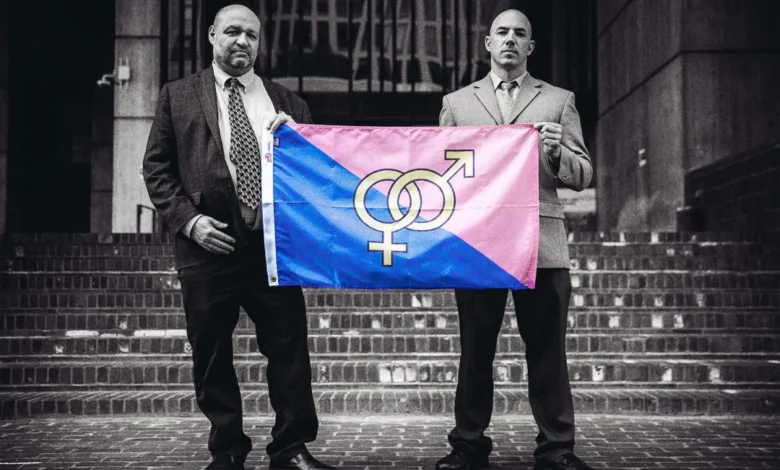
The phrase “super straight flag” is suddenly back at the center of America’s online culture wars, and millions of users are once again debating what it represents, why it trends repeatedly, and whether platforms should treat it as identity expression or internet provocation. Over the last few weeks, searches related to the super straight flag have surged across TikTok, X, Reddit, and YouTube as younger audiences rediscover the viral movement that first exploded online years ago. What started as a niche internet discussion has evolved into a larger conversation about identity, free speech, social media influence, and digital activism.
For many Americans, the renewed attention feels familiar but more intense. Influencers, commentators, and online creators are fueling the trend with reaction videos, livestream debates, and opinion threads that continue to divide audiences. Some users view the super straight flag as a personal statement about dating preferences, while critics argue the symbol carries deeper political messaging connected to broader LGBTQ+ controversies. That tension is exactly why the topic keeps climbing trending charts across the United States.

Why the Super Straight Flag Is Trending Again
The latest spike in attention around the super straight flag appears tied to viral content cycles on short-form video platforms. Several creators with millions of followers recently revisited the topic while discussing internet culture, identity politics, and free speech debates. Those clips quickly spread across multiple platforms, creating a new wave of reactions and hashtags that pushed the phrase into trending searches once again.
At the same time, online communities are revisiting old internet movements through a modern lens. Gen Z audiences who were younger during the original controversy are now encountering the super straight flag for the first time. That generational rediscovery is giving the topic fresh momentum. Trend analysts have noted that controversial identity discussions often re-emerge every few years as algorithms reward emotionally charged engagement and debate-heavy content.
The Origins Behind the Super Straight Flag Movement
The super straight flag first gained widespread attention during a viral social media moment that sparked heated discussion across digital communities. The movement centered around individuals describing their dating preferences using the phrase “super straight,” which quickly transformed from a personal label into an online identity movement. Soon after, users created a distinct black-and-orange flag that became associated with the trend.
As the symbol spread online, critics argued the movement was designed to provoke or mock transgender conversations. Supporters pushed back, claiming the label simply reflected personal attraction preferences and freedom of expression. That clash turned the super straight flag into a major internet flashpoint almost overnight. Even years later, the controversy continues to spark emotional reactions because it intersects with larger national conversations about identity, inclusion, and online culture.
Social Media Algorithms Are Fueling The Debate
One major reason the super straight flag continues resurfacing is the way social media algorithms amplify emotionally divisive topics. Content that generates arguments, reactions, or outrage often receives stronger engagement metrics, which means platforms naturally promote those posts to larger audiences. Videos discussing the super straight flag regularly attract millions of comments because users strongly disagree about the meaning behind the symbol.
Digital culture experts say this pattern reflects a broader trend across the internet. Polarizing conversations now dominate online attention cycles because engagement-driven systems reward controversy. Whether users support or criticize the super straight flag, they continue interacting with related content, which pushes the topic even higher in recommendation feeds. That cycle transforms niche discussions into national talking points within hours.
Younger Americans Are Driving Search Interest
Recent search data suggests younger internet users are leading the renewed curiosity surrounding the super straight flag. TikTok explainers, YouTube commentary videos, and Reddit discussion threads are introducing the topic to audiences who missed the original trend. Many users are searching basic questions about the symbol, its history, and why it became controversial in the first place.
This new wave of attention reflects how fast-moving online culture constantly recycles old debates into fresh trends. Internet historians and digital commentators frequently revisit viral moments from previous years because younger audiences discover them for the first time. In many ways, the super straight flag is becoming part of a larger archive of internet controversies that continue evolving with each generation of social media users.
Political Polarization Is Expanding The Conversation
The discussion surrounding the super straight flag has also expanded beyond social media into broader political and cultural conversations across the United States. Commentators from multiple sides of the political spectrum are using the trend to discuss freedom of speech, gender identity debates, cancel culture, and online censorship. That expansion has transformed what was once a viral meme into a wider cultural argument.
As political polarization continues increasing nationwide, online identity discussions are becoming more emotionally charged. Public figures, influencers, and podcast hosts often frame these debates as larger ideological battles rather than isolated internet moments. Because of that shift, the super straight flag now represents different things to different audiences. For some, it symbolizes personal preference. For others, it reflects a growing cultural divide in America’s digital landscape.
Brands And Platforms Are Avoiding Direct Involvement
Interestingly, most major brands and social media companies have largely avoided directly engaging with the super straight flag discussion. Many corporations remain cautious about entering highly polarizing online conversations that could alienate large segments of consumers. Instead, platforms tend to moderate individual posts rather than issue broad public statements about the movement itself.
This cautious approach reflects lessons learned from previous internet controversies. Companies increasingly understand that responding too aggressively can intensify backlash while remaining completely silent can also generate criticism. As a result, businesses now carefully navigate trending culture-war discussions without becoming central participants. The super straight flag debate is another example of how brands struggle to manage politically sensitive digital trends in an era dominated by viral outrage cycles.
Internet Culture Keeps Reviving Old Controversies
One reason the super straight flag continues resurfacing is the internet’s tendency to recycle unresolved debates. Online culture moves rapidly, but controversial topics rarely disappear completely. Instead, they fade temporarily before returning through memes, reaction videos, livestreams, or influencer commentary. That cycle keeps emotionally charged conversations alive far longer than traditional news stories.
Experts who study digital behavior say controversy has become part of internet entertainment culture. Audiences are drawn toward debates that create emotional intensity and social division because those discussions feel immediate and personal. The super straight flag fits perfectly into that environment because it intersects with identity, politics, social norms, and freedom of expression all at once. Those overlapping themes make the topic difficult to ignore online.
Free Speech Arguments Continue To Divide Audiences
One of the most heated aspects of the super straight flag debate involves free speech arguments. Supporters frequently describe criticism of the movement as censorship or suppression of personal viewpoints. Critics, however, argue that online speech can still contribute to exclusionary narratives or harmful messaging even when framed as personal opinion.
This disagreement reflects a larger national debate happening across schools, universities, workplaces, and digital communities throughout the United States. Americans increasingly disagree about where the boundaries between free expression and harmful rhetoric should exist online. Because the super straight flag sits directly inside that conflict, every new viral discussion quickly becomes emotionally charged and politically sensitive.
Analysts Predict The Trend Could Continue Through 2026
Digital trend forecasters believe conversations around the super straight flag may continue surfacing throughout 2026 as online identity debates remain central to internet culture. Analysts point out that controversial hashtags often experience repeated resurgence cycles whenever creators revisit them or major influencers discuss them publicly. The combination of social algorithms and political polarization makes these topics especially persistent.
There is also growing evidence that younger audiences are increasingly fascinated by controversial internet history. Videos explaining “forgotten” viral moments regularly attract massive engagement because users enjoy revisiting or rediscovering online events that shaped digital culture. That curiosity may continue pushing the super straight flag into trending conversations even years after its original rise.
What The Ongoing Debate Reveals About Modern Internet Culture
The renewed attention surrounding the super straight flag reveals how dramatically internet culture has changed over the past decade. Viral trends are no longer isolated moments that disappear quickly. Instead, they evolve into recurring cultural flashpoints shaped by algorithms, political division, influencer commentary, and nonstop social engagement.
More importantly, the debate highlights how digital identity discussions now influence mainstream American culture far beyond social media platforms. Online conversations increasingly shape public opinion, political narratives, and national discourse in real time. Whether the super straight flag remains a long-term cultural symbol or fades again temporarily, its repeated resurgence shows the internet’s power to revive emotionally divisive topics again and again.
As the debate continues spreading across platforms, one thing is clear: conversations about identity, free speech, and online culture are not slowing down anytime soon. Readers who want to stay ahead of the latest viral news, internet controversies, and trending social debates should keep following these rapidly evolving digital stories as they reshape America’s online landscape every single day.