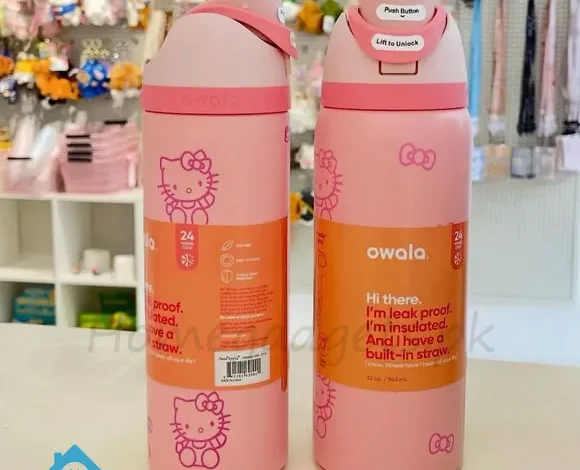
The internet did not see this coming. A soft pink water bottle suddenly became one of the hottest lifestyle trends in America, flooding TikTok feeds, selling out online, and turning ordinary hydration into a fashion statement. The rise of the rose quartz owala craze is more than another viral product moment. It reflects how social media, aesthetics, and wellness culture are now shaping everyday buying habits faster than ever before.
Across the United States, shoppers are racing to grab the limited-edition color before it disappears from shelves again. Videos featuring the bottle are generating millions of views, while influencers and college students alike are calling it the “must-have accessory” of the season. What started as a simple product launch has transformed into a cultural trend that retailers and trend analysts are closely watching.

Why Rose Quartz Owala Became an Overnight Viral Sensation
The popularity of rose quartz owala exploded after TikTok creators began posting “restock alert” videos and aesthetic lifestyle clips featuring the pastel-toned bottle. Within days, hashtags connected to the product gained traction, and users started sharing emotional reactions after finally purchasing one. This type of viral momentum has become common in the era of social commerce, but few products manage to sustain the hype the way this bottle has.
Part of the appeal comes from timing. Consumers in the United States are increasingly drawn toward products that combine functionality with visual identity. The rose quartz owala design taps directly into the minimalist wellness trend dominating social media platforms. Its muted pink color feels calming, stylish, and easy to pair with everyday outfits, making it ideal for lifestyle content creators who rely on visually cohesive aesthetics.
The Social Media Effect Driving Massive Demand
Social media algorithms played a major role in pushing rose quartz owala into mainstream attention. TikTok users began posting videos showing empty store shelves, dramatic unboxings, and hydration challenges centered around the bottle. Many of these clips used trending audio and emotional storytelling, helping them spread rapidly across the platform.
Instagram and Pinterest also amplified the trend. Lifestyle influencers incorporated the bottle into morning routines, gym selfies, study desk setups, and travel photos. As audiences repeatedly saw the same product appearing in curated content, the bottle evolved from a hydration tool into a status-driven lifestyle accessory. Experts say this pattern mirrors previous viral consumer crazes involving Stanley tumblers and aesthetic home décor items.
What Makes the Rose Quartz Owala Different From Other Bottles
At first glance, some shoppers may wonder why rose quartz owala is standing out in a crowded reusable bottle market. The answer lies in both design and user experience. Owala bottles are already known for their dual-sip drinking system, leak-proof construction, and ergonomic design. The rose quartz edition adds a highly marketable visual element that resonates strongly with Gen Z and younger millennials.
Unlike brighter or overly flashy colors, rose quartz offers a soft luxury appearance that feels premium without being loud. Consumers are increasingly seeking products that look polished in photos while still serving a practical purpose. The combination of style and usability helped transform the bottle into something people actively show off online rather than simply use privately.
Limited Restocks Created Fear of Missing Out
One major factor fueling the trend is scarcity marketing. Reports of limited inventory and rapid sellouts created urgency among buyers. Once customers noticed that rose quartz owala restocks disappeared within hours, demand intensified even more. This psychological effect, commonly known as FOMO or fear of missing out, has become one of the strongest drivers of online shopping behavior.
Retailers also benefited from the buzz. Every time stores announced a new shipment, shoppers rushed to websites hoping to secure a bottle before another sellout. Some users even posted videos documenting late-night online refresh sessions and early-morning store visits. The excitement around obtaining the bottle became part of the experience itself, strengthening the emotional attachment consumers felt toward the trend.
TikTok Creators Turned Hydration Into a Lifestyle Trend
Hydration products are no longer marketed only for health benefits. Today, they represent identity, productivity, and personal style. The rose quartz owala trend reflects this shift perfectly. TikTok creators frequently pair the bottle with workout sets, skincare products, healthy recipes, and study routines, turning hydration into a complete lifestyle narrative.
This type of content performs extremely well because it blends aspiration with relatability. Viewers see creators balancing wellness, organization, and aesthetics while using the same product. As a result, audiences associate the bottle with a more put-together and productive lifestyle. Marketing experts say emotional branding like this can outperform traditional advertising campaigns because it feels authentic and community-driven.
Retailers Struggle to Keep Up With Demand
As interest surged, many retailers experienced inventory pressure. Online shoppers reported long wait times, delayed shipments, and constant out-of-stock notifications. Some stores even introduced purchase limits to prevent bulk buying and resale activity. These challenges only increased public awareness of the trend.
Resale markets also reacted quickly. Certain listings for rose quartz owala appeared online at significantly higher prices than retail value. This pattern often happens with limited-edition lifestyle products that develop cult followings online. Analysts believe resale demand further elevated the bottle’s perceived exclusivity, encouraging even more consumers to hunt for it before prices climbed higher.
The Wellness Industry Is Fueling Product Trends Like This
The rise of rose quartz owala is closely connected to the broader wellness economy in the United States. Consumers are spending heavily on products linked to self-care, hydration, mindfulness, and healthy living. According to industry reports, younger consumers increasingly prioritize products that help them feel emotionally balanced and socially connected.
The rose quartz color itself may also play a subtle psychological role. Soft pink tones are often associated with calmness, warmth, and emotional comfort. While shoppers may not consciously recognize these associations, branding experts say color psychology significantly influences purchasing decisions. Combined with wellness-focused messaging, the bottle naturally fits current consumer preferences.
Why Gen Z Is Obsessed With Aesthetic Everyday Products
Gen Z shoppers approach purchasing differently than previous generations. Instead of buying products purely for utility, many prioritize visual appeal, online shareability, and emotional connection. The rose quartz owala trend highlights how ordinary objects can become highly desirable when they align with internet culture and personal branding.
For younger audiences, accessories are now part of digital identity. Water bottles appear in classroom photos, gym videos, travel reels, and desk setup content. Products that photograph well gain an advantage because they help users maintain a cohesive online image. This explains why certain colors and limited editions often become internet sensations while similar products remain unnoticed.
Could Rose Quartz Owala Become the Next Long-Term Lifestyle Brand Trend?
Trend analysts believe the current momentum surrounding rose quartz owala could extend beyond a short viral moment. Owala has successfully positioned itself within a growing market of premium hydration products, and this specific release introduced the brand to millions of new potential customers.
Future limited-edition launches may generate similar excitement if the company continues leveraging social media trends and aesthetic-driven marketing. However, experts also warn that viral product popularity can fade quickly if oversaturation occurs. The challenge for brands is maintaining exclusivity while still meeting consumer demand.
At the same time, the bottle’s success proves that modern consumers value emotional storytelling as much as product performance. Brands capable of creating community-driven excitement are likely to dominate future shopping trends, especially among younger audiences influenced heavily by TikTok and Instagram culture.
The Viral Craze Shows No Signs of Slowing Down
Even weeks after the initial surge, rose quartz owala continues dominating trend discussions online. Search interest remains high, restock updates still attract massive engagement, and shoppers are actively sharing their collections across social platforms. The trend has become larger than the bottle itself. It now represents the intersection of fashion, wellness, internet culture, and emotional consumer behavior.
As viral shopping trends continue evolving, products like rose quartz owala reveal how quickly social media can transform ordinary items into nationwide obsessions. Whether the craze lasts months or years, one thing is clear: consumers are no longer just buying products. They are buying experiences, identity, and participation in online culture.
If you are still searching for the bottle everyone is talking about, now may be the time to act before the next restock disappears. Stay tuned for upcoming releases, trend updates, and the latest viral shopping stories shaping the internet in 2026.
You may Also read
Astronomer Company Stock Surge Sparks New AI Investment Buzz