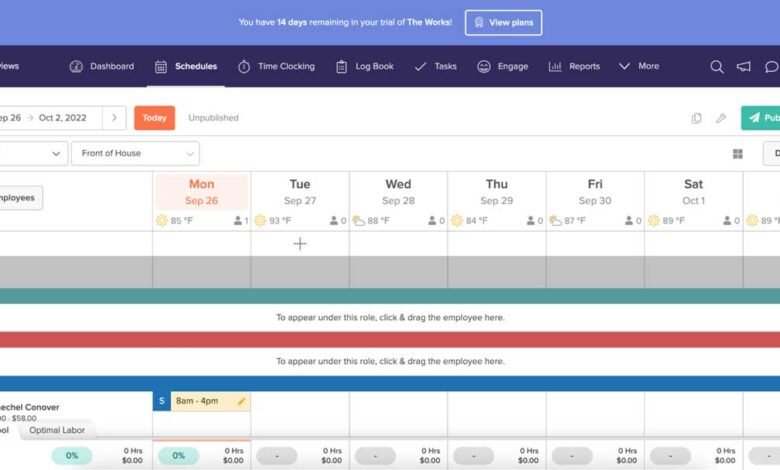
Restaurant workers across the United States are suddenly searching one phrase in massive numbers: “7shifts login.” What started as a simple workforce management tool has now become a daily digital habit for thousands of employees, managers, and restaurant owners trying to keep up with the fast-changing food industry. From checking schedules before a morning shift to managing payroll details late at night, the platform has become deeply tied to modern restaurant life. The surge in online searches is not random. It reflects a bigger story about how restaurants are evolving, how workers want more flexibility, and why technology is now running the back end of America’s busiest kitchens.
The growing attention around 7shifts login is also being fueled by staffing shortages, rising labor costs, and the push for smarter scheduling. Employees no longer want confusing paper schedules taped to a wall. Managers need instant communication. Restaurant chains are racing to streamline operations. As a result, millions of clicks are heading toward one platform that is quietly becoming essential in the hospitality industry.

Why 7shifts Login Searches Are Suddenly Trending
The spike in searches for 7shifts login has accelerated in recent months as more restaurants adopt cloud-based workforce management systems. Industry analysts say the hospitality sector is experiencing a major digital transformation. Restaurant businesses that once relied on spreadsheets and phone calls are now using apps to automate scheduling, labor forecasting, attendance tracking, and team messaging. That shift has made employee login portals more important than ever.
Search trend data in the United States shows that workers frequently search “7shifts login” during peak restaurant hiring seasons, especially in spring and summer. This year, however, the volume appears higher than normal. Experts believe this is connected to rapid expansion among quick-service restaurants, franchises, and independent food chains that are embracing digital employee management tools to reduce labor inefficiencies and improve staff retention.
Another reason behind the trend is mobile accessibility. Workers today expect everything to happen instantly from their phones. Restaurant employees often check schedules while commuting, swap shifts online, or receive manager updates through workforce apps. The convenience factor has turned platforms like 7shifts into daily-use digital utilities rather than occasional management tools.
At the same time, younger employees entering the workforce are more comfortable with app-based communication. Gen Z workers, especially, prefer real-time notifications and flexible scheduling tools over traditional systems. That generational shift is helping drive even more attention toward employee portal searches and restaurant scheduling software.
How 7shifts Became a Major Restaurant Workforce Platform
The story behind 7shifts reflects the broader evolution of restaurant technology in America. Founded to simplify employee scheduling for restaurant operators, the platform steadily expanded into a larger ecosystem that now includes labor compliance, payroll integration, team communication, and performance insights. What once solved one problem now addresses multiple operational challenges for restaurants.
The restaurant industry has always struggled with high employee turnover rates. Managers often spend hours adjusting schedules, responding to call-outs, and coordinating shift coverage. Platforms like 7shifts reduce that burden through automation and predictive scheduling tools. This efficiency is particularly valuable during weekends, holidays, and peak dining hours when staffing problems can quickly become costly.
Another factor contributing to the platform’s popularity is integration. Modern restaurants increasingly connect scheduling systems with payroll services, POS systems, and labor analytics dashboards. This creates a centralized workflow where managers can track labor costs in real time while employees gain faster access to schedules and shift updates.
The pandemic years also accelerated adoption. During lockdowns and staffing disruptions, restaurants realized they needed more flexible and digital workforce management systems. Many businesses that adopted restaurant employee apps during that period never went back to manual scheduling methods. Today, the 7shifts login process represents much more than account access. It symbolizes a new operational model for hospitality businesses nationwide.
Restaurant Workers Depend on Mobile Scheduling More Than Ever
The modern restaurant employee experience is increasingly built around smartphones. Workers use apps to request time off, communicate with coworkers, review schedules, and track hours worked. That behavior explains why searches related to 7shifts login continue climbing on both desktop and mobile devices across the United States.
Restaurant employees often work irregular hours, making mobile access especially valuable. Unlike office workers with fixed schedules, hospitality employees may receive last-minute changes, split shifts, or urgent staffing updates. Real-time notifications allow teams to stay connected even during fast-paced service periods. This flexibility has become a major selling point for restaurants competing to hire and retain workers.
Many workers also appreciate greater transparency. Digital scheduling tools provide easier access to upcoming shifts, labor rules, overtime tracking, and availability requests. Instead of waiting for managers to respond through text messages or paper notes, employees can often handle requests directly within the platform. That convenience reduces communication delays and workplace confusion.
Industry experts predict mobile workforce apps will continue growing as restaurants compete in an increasingly tech-driven economy. Artificial intelligence, labor forecasting, and automated staffing recommendations are expected to become even more common in scheduling platforms over the next few years. That means search interest surrounding restaurant management software is unlikely to slow down anytime soon.
The Bigger Technology Shift Changing the Restaurant Industry
The rise of 7shifts login searches is part of a much larger digital movement transforming the restaurant sector. Restaurants are investing heavily in automation, online ordering, delivery systems, inventory tracking, and employee management software. Technology is no longer optional for survival. It is now considered essential for profitability and efficiency.
Labor remains one of the biggest expenses for restaurant operators. Workforce management tools help reduce scheduling errors, prevent understaffing, and improve labor forecasting. Restaurants can use data analytics to predict busy periods and optimize staffing levels accordingly. This can significantly reduce wasted labor costs while improving customer service.
Consumers are also indirectly influencing this trend. Faster service expectations, online ordering habits, and delivery demand have increased operational pressure on restaurants. To keep up, businesses need smoother internal communication and stronger workforce coordination. Employee scheduling platforms help maintain consistency during busy service windows and unexpected demand spikes.
Technology adoption is spreading beyond large chains as well. Independent restaurants and local cafes are increasingly using cloud-based systems once reserved for major franchises. Affordable subscription pricing and user-friendly mobile apps have made digital workforce management accessible to smaller operators. That democratization is contributing to the nationwide surge in employee portal searches.
Why Employees and Managers Keep Searching for 7shifts Login
One reason the keyword continues trending is simple daily repetition. Restaurant workers log in frequently to check schedules, accept shifts, or communicate with managers. Unlike occasional-use software, workforce management platforms become part of everyday routines. This naturally generates high recurring search traffic.
Managers also rely heavily on the system throughout the workweek. Restaurant supervisors often adjust schedules multiple times daily based on employee availability, customer demand, or staffing emergencies. Quick access to scheduling dashboards has become crucial for operational efficiency. As more restaurants onboard new employees, search interest continues expanding organically.
Another key factor is onboarding. New restaurant employees frequently search terms like “7shifts login,” “employee schedule app,” or “restaurant shift management” during their first weeks on the job. Since the hospitality industry experiences high turnover, this creates a steady stream of fresh search activity every month.
Search visibility is further amplified by social media discussions and online forums where workers exchange scheduling tips, troubleshooting advice, and app-related questions. Viral workplace conversations on platforms like TikTok and Reddit have increasingly pushed employee apps into mainstream online discussions, especially among younger hospitality workers.
What the Future Holds for Restaurant Workforce Apps
Industry analysts believe restaurant workforce management platforms are entering a new growth phase. Artificial intelligence tools may soon predict staffing shortages before they happen. Automated scheduling systems could eventually personalize shift recommendations based on employee performance, availability patterns, and restaurant traffic forecasts.
Experts also expect tighter integration between scheduling, payroll, hiring, and training systems. Instead of juggling multiple apps, restaurants may operate through unified workforce ecosystems. This could simplify onboarding, improve communication, and reduce administrative work for managers handling large teams.
Cybersecurity and employee privacy will also become bigger concerns as more workforce data moves online. Companies managing scheduling platforms will likely invest heavily in account protection, secure authentication, and cloud infrastructure to maintain user trust. That may further increase search interest around login support and account access issues.
Meanwhile, the labor market remains highly competitive. Restaurants continue searching for ways to improve employee satisfaction and reduce burnout. Flexible scheduling technology is increasingly viewed as a recruitment advantage. Businesses offering easy-to-use scheduling apps may attract workers more effectively than restaurants still relying on outdated systems.
The Growing Digital Future Behind 7shifts Login Searches
The sudden rise of 7shifts login searches reveals more than a temporary internet trend. It highlights how deeply technology is reshaping America’s restaurant industry. Scheduling apps, workforce dashboards, and employee management systems are becoming essential tools in a business known for speed, unpredictability, and high turnover.
As restaurants continue modernizing operations, employee platforms will likely become even more central to daily work life. Workers want convenience. Managers want efficiency. Restaurant owners want lower labor costs and stronger communication. Those combined demands are pushing workforce technology into the spotlight at an unprecedented pace.
The digital transformation of restaurants is only beginning. Whether you are a restaurant employee checking tomorrow’s shift or a business owner exploring smarter staffing solutions, one thing is clear: the growing buzz around 7shifts login reflects a major change happening across the entire hospitality industry. Stay tuned, because the next wave of restaurant technology trends may arrive faster than anyone expected.