
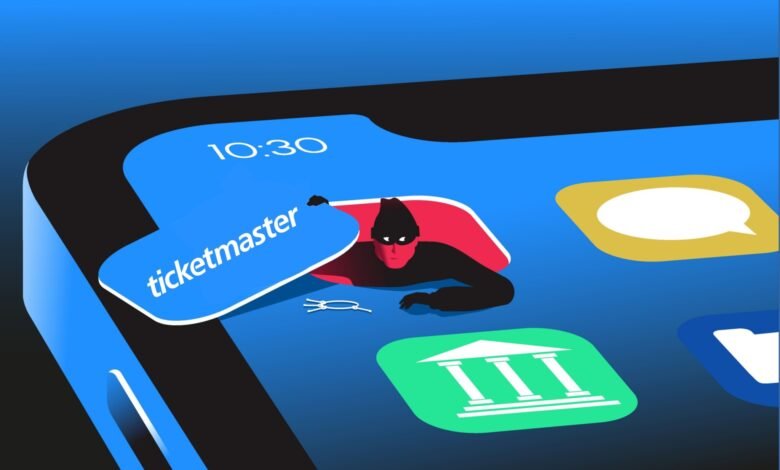
Millions of Americans woke up to unsettling headlines after the massive ticketmaster data breach story exploded across social media and tech news platforms. What began as a dark web rumor quickly turned into one of the most talked-about ticketmaster data breach linked to online ticketing platforms in recent years. Users who trusted the entertainment giant with personal details are now asking the same question: how much information was actually exposed?
The growing panic is not just about stolen emails or passwords. Consumers fear identity theft, banking fraud, and unauthorized account access at a time when digital scams are already surging across the United States. As investigators continue examining the scale of the incident, the ticketmaster data breach has become a warning sign for every American who shops, streams, or buys tickets online.
Why the Ticketmaster Data Breach Became a National Story
The ticketmaster data breach quickly gained nationwide attention because of the enormous number of users potentially affected. Ticketmaster handles ticket sales for some of the biggest concerts, sporting events, and entertainment experiences in the United States. That means millions of customer records may have been connected to the system under investigation.
Cybersecurity experts say the public reaction intensified because consumers are already exhausted by repeated hacks involving major corporations. Over the past few years, Americans have watched retail chains, hospitals, telecom providers, and financial services companies battle cyberattacks. The ticketmaster data breach added another high-profile name to the growing list, fueling concerns that no online platform is truly safe anymore.
The incident also spread rapidly across social media because live events are deeply emotional purchases. Fans spend hundreds or even thousands of dollars to secure seats for concerts and sports games. Many users suddenly worried that their excitement over upcoming events may have unknowingly exposed sensitive personal information.
At the same time, cybersecurity analysts warned that hackers often target entertainment companies because they store large customer databases. Email addresses, phone numbers, payment details, and login credentials can become extremely valuable on underground cybercrime marketplaces. That possibility turned the ticketmaster data breach into more than a tech story — it became a personal financial concern for everyday Americans.
What Information May Have Been Exposed
One reason the ticketmaster data breach triggered widespread alarm is the uncertainty surrounding the exact scope of compromised data. Reports circulating online suggest that hackers may have accessed customer names, email addresses, phone numbers, and partial payment information connected to accounts.
While investigations continue, experts say users should assume their information could be vulnerable until official confirmations are complete. Even limited data exposure can create serious risks. Criminals often combine stolen details from multiple breaches to launch identity theft attempts or highly convincing phishing scams.
Consumers are particularly worried about payment security. Although companies often state that full credit card numbers are encrypted, partial billing details and contact information can still help scammers impersonate legitimate businesses. Fake customer service emails and fraudulent refund messages commonly appear after major cybersecurity incidents.
The ticketmaster data breach also raised questions about password security habits. Many users reuse the same password across multiple websites. If login credentials connected to Ticketmaster accounts were exposed, hackers could potentially attempt access to banking apps, streaming platforms, or email services using the same credentials. Cybersecurity specialists call this “credential stuffing,” and it has become one of the fastest-growing digital threats in America.
Cybersecurity Experts Warn Consumers to Act Fast
As news of the ticketmaster data breach spread, cybersecurity professionals immediately urged users to take preventive action instead of waiting for official notifications. Experts say the first 48 hours after learning about a potential breach are often the most important for reducing personal risk.
One of the most recommended steps is changing passwords immediately. Security analysts advise users to create completely unique passwords for Ticketmaster accounts and any other platforms using similar login credentials. Password managers are also gaining popularity because they help users generate stronger and safer combinations.
Two-factor authentication has become another major talking point after the ticketmaster data breach. This extra layer of protection can significantly reduce the chances of unauthorized account access. Even if hackers obtain passwords, they may still struggle to enter accounts without a secondary verification code.
Financial monitoring is also becoming essential. Consumers are being encouraged to watch bank statements, credit card activity, and digital payment apps closely over the coming weeks. Cybercriminals sometimes wait months before exploiting stolen information, making long-term vigilance critical after a breach of this scale.
Social Media Panic and Public Reaction Continue Growing
The ticketmaster data breach quickly evolved into a trending topic across X, Reddit, TikTok, and YouTube, where frustrated users shared fears, screenshots, and cybersecurity advice. Some consumers claimed they received suspicious emails shortly after reports about the breach surfaced online, adding to public anxiety.
Digital privacy advocates say the emotional reaction reflects growing distrust toward large corporations handling personal data. Many consumers feel they have little choice but to hand over sensitive information when buying tickets online. That frustration became highly visible as hashtags related to the ticketmaster data breach gained traction nationwide.
At the same time, misinformation also spread rapidly. Fake alerts and scam warnings began circulating alongside legitimate updates. Cybersecurity professionals warned consumers not to click suspicious links promising refunds, compensation, or urgent account verification. Hackers often exploit fear during major news events to trick users into revealing even more information.
Public anger also focused on the broader issue of corporate accountability. Many Americans questioned whether tech companies are investing enough in cybersecurity infrastructure. With digital threats becoming more advanced each year, users increasingly expect stronger protection measures from brands handling sensitive financial and personal data.
Why Entertainment Platforms Are Prime Targets for Hackers
The ticketmaster data breach highlighted a growing reality in cybersecurity: entertainment and ticketing platforms are becoming highly attractive targets for cybercriminals. These companies process massive amounts of consumer data every day, making them valuable entry points for hackers seeking large databases.
Experts say entertainment platforms also face unique pressure because ticket demand often spikes during high-profile events. Massive traffic surges can sometimes expose technical vulnerabilities, especially when systems are under heavy stress from millions of simultaneous users trying to purchase seats.
Another factor is the resale economy. Ticket marketplaces involve frequent financial transactions, account transfers, and digital verification systems. That complex ecosystem creates multiple potential attack surfaces for cybercriminals attempting to exploit weaknesses in payment systems or customer databases.
The ticketmaster data breach may also influence future cybersecurity regulations in the entertainment industry. Lawmakers and consumer protection groups are increasingly demanding stronger safeguards for digital transactions. Some analysts predict stricter compliance requirements could soon reshape how ticketing companies collect, store, and protect customer information across the United States.
What Consumers Should Watch for Next
Although investigations into the ticketmaster data breach are ongoing, cybersecurity analysts believe the story could continue developing for weeks or even months. Large-scale breaches often involve lengthy forensic reviews, legal discussions, and regulatory investigations before the full impact becomes clear.
Consumers should pay close attention to official company announcements and verified cybersecurity updates rather than relying on rumors circulating online. Fraud attempts frequently increase after major breaches because criminals know people are anxious and more likely to react emotionally to alarming messages.
Experts also recommend watching for unusual account activity beyond Ticketmaster itself. Password reset emails, unauthorized login attempts, or suspicious financial charges could all signal potential misuse of stolen information. Quick reporting can significantly reduce long-term damage from identity theft or fraud.
Meanwhile, businesses across America are likely watching the ticketmaster data breach closely. The incident has reignited conversations about data privacy, cloud security, and consumer trust at a time when digital commerce dominates everyday life. Companies failing to strengthen cybersecurity protections may face growing backlash from consumers demanding greater transparency and accountability.
The Bigger Warning Behind the Ticketmaster Data Breach
The ticketmaster data breach is more than a trending headline. It represents a broader shift in how Americans think about online safety, digital trust, and personal information security. Every major breach reminds consumers that convenience often comes with hidden risks, especially in an era where nearly every purchase happens online.
Cybersecurity professionals believe future attacks could become even more sophisticated as hackers use artificial intelligence, automated phishing systems, and advanced malware to target businesses and consumers alike. That means digital awareness is no longer optional — it is becoming an essential survival skill in modern life.
For millions of Americans, the incident may become the moment they finally upgrade passwords, enable stronger security settings, and take personal cybersecurity more seriously. And for corporations, the message is equally clear: protecting customer data is no longer just a technical responsibility. It is now a critical part of maintaining public trust.
As the investigation continues, consumers across the United States will be watching closely for answers. If the ticketmaster data breach teaches anything, it is that online security can no longer be treated as an afterthought. Stay informed, monitor your accounts carefully, and take proactive steps today before the next major cyberattack makes headlines again.
