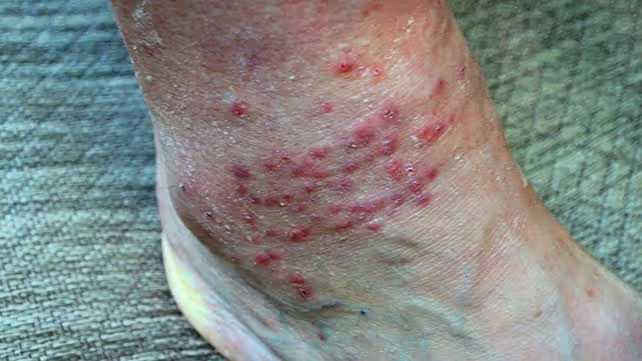
The sudden spike in itchy, red skin outbreaks across several U.S. states has left people confused, uncomfortable, and searching for answers. What many first dismissed as simple bug bites is now turning into a trending health concern: chiggers rash. Emergency rooms, dermatologists, and even social media feeds are seeing a surge in reports, with outdoor lovers and families hit the hardest. As temperatures rise, so does the risk—and the discomfort is enough to make anyone rethink their next trip outside.
Across parks, backyards, and hiking trails, this tiny but aggressive pest is making a big impact. Health officials are urging awareness as cases climb rapidly, especially in warmer regions. But what exactly is behind this itchy phenomenon, and why is it suddenly trending now?


What Is Chiggers Rash and Why Is It Trending Now
Chiggers rash refers to an intensely itchy skin reaction caused by the larvae of tiny mites known as chiggers. These microscopic pests latch onto the skin, often in areas where clothing fits tightly, such as ankles, waistlines, and behind the knees. While the mites themselves are nearly invisible, the irritation they leave behind can last for days and sometimes weeks, making them particularly frustrating for those affected.
The reason chiggers rash is trending in the United States right now is tied closely to seasonal patterns and environmental shifts. Warmer temperatures, increased humidity, and more outdoor activity have created ideal conditions for chiggers to thrive. According to recent health reports, cases are rising earlier in the year than usual, signaling a longer and potentially more intense season ahead.
The Symptoms People Are Reporting Across the U.S.
The hallmark of chiggers rash is intense itching that begins a few hours after exposure. Unlike mosquito bites, which are often isolated, chiggers tend to cluster, leading to multiple red bumps that can become inflamed and irritated. Many individuals report that the itching becomes worse at night, interfering with sleep and daily comfort.
In more severe cases, the rash can develop into welts or blister-like formations. Scratching often leads to secondary infections, which can complicate recovery. Dermatologists are noting that people unfamiliar with chiggers rash often mistake it for allergic reactions or other skin conditions, delaying proper care and prolonging discomfort.
Where Chiggers Are Most Active Right Now
Chiggers are particularly active in grassy, wooded, and damp areas. States in the Midwest, Southeast, and parts of the South are seeing the highest number of reported cases. Areas with tall grass, weeds, and leaf litter are especially risky, as these environments provide ideal breeding grounds for the mites.
Recent data suggests that suburban neighborhoods are also being affected, not just rural regions. Backyards, parks, and even school fields are becoming hotspots. This shift is contributing to the growing attention around chiggers rash, as more people encounter these pests in everyday settings rather than remote outdoor locations.
Why This Year’s Chiggers Rash Cases Are Different
Experts believe that climate patterns are playing a significant role in the surge. Warmer winters and earlier springs have extended the active season for chiggers, allowing their populations to grow more rapidly. Additionally, increased rainfall in certain regions has created moist environments that further support their lifecycle.
Another factor is the rise in outdoor activities. From hiking and camping to backyard gatherings, more people are spending time outside, increasing their exposure risk. This combination of environmental and behavioral factors has made chiggers rash more widespread and noticeable than in previous years.
Prevention Tips to Avoid Chiggers Rash
Preventing chiggers rash starts with awareness and preparation. Wearing long sleeves, pants, and closed-toe shoes can significantly reduce skin exposure. Tucking pants into socks may not be fashionable, but it creates a barrier that chiggers find difficult to cross.
Using insect repellents containing DEET or permethrin is also highly effective. After spending time outdoors, it’s important to shower promptly and wash clothing in hot water. These simple steps can remove any lingering mites before they have a chance to cause irritation, reducing the likelihood of developing a rash.
Effective Treatments for Fast Relief
If you already have chiggers rash, the focus shifts to managing symptoms and preventing complications. Over-the-counter antihistamines and anti-itch creams, such as hydrocortisone, can provide relief from itching. Cool compresses are another simple yet effective way to soothe irritated skin.
In more severe cases, doctors may prescribe stronger topical steroids or oral medications to control inflammation. Avoiding scratching is crucial, as it can lead to infections and prolong healing time. While the rash itself is not contagious, proper care ensures a quicker and more comfortable recovery.
The Social Media Buzz Around Chiggers Rash
Social media platforms are playing a major role in amplifying awareness of chiggers rash. Viral posts, videos, and personal experiences are spreading quickly, with users sharing photos and tips for dealing with the condition. This digital buzz is contributing to the perception of a sudden outbreak, even as experts clarify that the issue is seasonal but intensified this year.
Hashtags related to chiggers rash are trending, especially among outdoor enthusiasts and travelers. The visual nature of the rash, combined with its widespread occurrence, makes it highly shareable content. While this raises awareness, it also leads to misinformation, highlighting the need for reliable guidance from health professionals.
Quick Facts About Chiggers Rash You Should Know
Chiggers are not insects but arachnids, making them relatives of spiders and ticks. Only the larval stage bites humans, which is why they are so difficult to detect. Contrary to popular belief, chiggers do not burrow into the skin; instead, they inject enzymes that break down skin cells, causing irritation.
The itching associated with chiggers rash can last up to two weeks, depending on the severity and treatment. Interestingly, chiggers are most active during late spring through early fall, with peak activity in warm, humid conditions. Understanding these facts can help people better prepare and respond to potential exposure.
What Experts Predict for the Rest of the Season
Health experts predict that cases of chiggers rash may continue to rise as summer progresses. With climate conditions remaining favorable, the risk window is expected to extend longer than usual. Public health advisories are likely to increase, focusing on education and prevention strategies.
Looking ahead, there is growing interest in developing more effective repellents and treatments. Researchers are also studying the impact of climate change on pest behavior, including chiggers. These insights could lead to improved management strategies in the future, helping to reduce the impact of seasonal outbreaks.
Why Awareness Matters More Than Ever
The growing attention on chiggers rash highlights the importance of awareness and early action. Many people underestimate the impact of these tiny mites until they experience the discomfort firsthand. By understanding how chiggers behave and how to protect against them, individuals can reduce their risk significantly.
As more cases emerge, staying informed becomes essential. Whether you’re planning a weekend hike or simply spending time in your backyard, taking preventive measures can make a big difference. The rise of chiggers rash serves as a reminder that even the smallest creatures can have a significant impact on daily life.
The surge in chiggers rash cases across the United States is more than just a seasonal nuisance—it’s a growing public health conversation. Stay informed, protect yourself, and share this information with others so they can avoid the same discomfort. Your awareness today could save you—and those around you—from days of relentless itching tomorrow.