
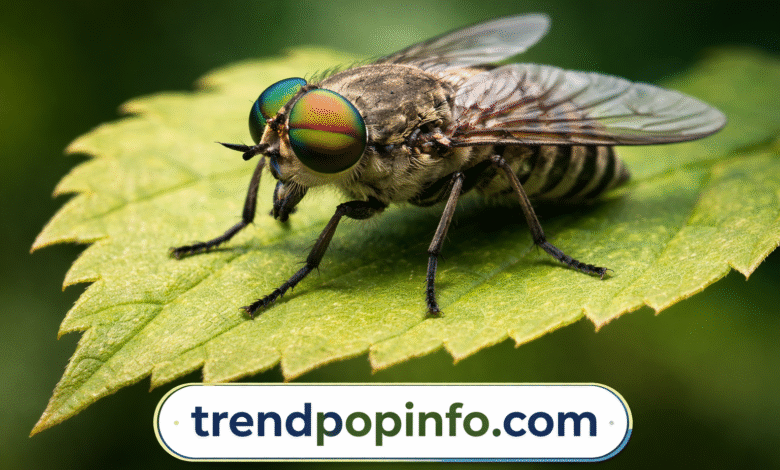
The sudden rise of the horse fly across parts of the United States is catching people off guard—and not in a small way. What started as scattered complaints has quickly turned into a trending national concern, with viral videos, health warnings, and outdoor disruptions making headlines. From beaches to backyards, Americans are encountering aggressive biting insects at an alarming rate. Searches for “horse fly” have spiked dramatically, signaling widespread curiosity, fear, and urgency. But what’s really behind this surge, and should people be worried about more than just painful bites?
Reports from multiple states suggest that this isn’t just a seasonal nuisance—it may be part of a broader environmental shift. With climate patterns changing and insect populations adapting, experts warn that encounters with horse fly swarms could become more frequent. For millions planning outdoor activities, this unexpected threat is reshaping summer routines in real time.
Horse fly sightings surge across multiple U.S. states
In recent weeks, there has been a noticeable increase in horse fly sightings across states like Florida, Texas, California, and parts of the Midwest. Social media platforms are flooded with videos showing unusually large and aggressive flies targeting humans and animals. The spike in activity has driven a sharp rise in Google searches for “horse fly,” making it a trending topic nationwide. Experts confirm that while horse flies are common in warmer months, the intensity this year appears significantly higher.
Several environmental agencies have noted that increased rainfall followed by sudden heat waves creates ideal breeding conditions for these insects. Wetlands, lakes, and rural areas are seeing the highest concentrations, but urban outskirts are not spared. The growing presence of the horse fly is raising concerns about public comfort and safety, especially in areas heavily dependent on tourism and outdoor recreation.
Why horse flies are more aggressive this year
Unlike many other insects, the horse fly is known for its painful bite and persistent behavior. This year, experts believe that climate fluctuations are playing a major role in their heightened aggression. Warmer temperatures accelerate their life cycle, leading to larger populations in a shorter time. Additionally, changes in humidity and vegetation create ideal conditions for their survival and expansion.
Another factor contributing to this trend is the decline of natural predators. Birds and other insect-eating species that typically keep horse fly populations in check have seen disruptions due to environmental changes. As a result, the balance is shifting, allowing horse flies to thrive. This surge in horse fly activity is not just a seasonal annoyance—it reflects deeper ecological changes that scientists are closely monitoring.
Health concerns linked to horse fly bites
While a horse fly bite is not usually life-threatening, it can be extremely painful and lead to complications. Unlike mosquitoes, horse flies cut the skin rather than pierce it, causing immediate discomfort and sometimes bleeding. Many people report swelling, itching, and allergic reactions that can last for days. With the recent surge, healthcare providers are seeing more cases related to insect bites than usual.
In rare instances, secondary infections can occur if bites are not properly treated. The increase in horse fly encounters has prompted health officials to issue precautionary advice. Wearing protective clothing, using insect repellents, and avoiding peak activity hours are now strongly recommended. As the horse fly trend continues, awareness around bite prevention and treatment is becoming more critical than ever.
Impact on outdoor activities and tourism
The rise of the horse fly is already affecting outdoor lifestyles across the United States. Beaches, hiking trails, and camping sites are reporting decreased visitor satisfaction due to persistent insect activity. Some tourists have even cut trips short after repeated encounters with aggressive flies. Businesses that rely on outdoor traffic are beginning to feel the impact as complaints increase.
Event organizers are also adapting by introducing additional pest control measures and warning attendees in advance. The presence of horse fly swarms is forcing a shift in how people plan their outdoor time. Early mornings and late evenings are becoming more popular to avoid peak insect activity. This evolving behavior highlights how even small ecological changes can influence large-scale social patterns.
Social media trends and public reaction
The horse fly phenomenon has quickly gained traction on platforms like TikTok, Instagram, and X. Videos showing close encounters, bite reactions, and prevention hacks are going viral, drawing millions of views. The keyword “horse fly” is now associated with trending hashtags, making it one of the most talked-about insect topics in recent weeks. Public reaction ranges from curiosity to genuine concern.
Many users are sharing personal experiences, turning the issue into a mix of awareness and entertainment. However, experts warn against misinformation spreading online. Not all advice circulating on social media is scientifically accurate. As the horse fly trend continues to grow, reliable information from health authorities and environmental experts becomes increasingly important.
Expert insights and future predictions
Entomologists and environmental scientists are closely studying the current surge in horse fly populations. Early data suggests that if climate conditions remain favorable, similar outbreaks could occur in the coming years. This pattern aligns with broader trends in insect population shifts driven by global warming and habitat changes. The horse fly may become a more prominent seasonal concern in the United States.
Looking ahead, experts emphasize the importance of ecological balance and sustainable environmental practices. Reducing standing water, protecting natural predators, and monitoring insect populations are key strategies. While the current horse fly surge is alarming, it also serves as a wake-up call about the interconnectedness of climate, wildlife, and human activity.
What you can do to stay safe this season
As the horse fly continues to dominate headlines, individuals are advised to take proactive steps to minimize risk. Wearing light-colored clothing, applying EPA-approved insect repellents, and avoiding heavily infested areas can significantly reduce exposure. Simple measures like keeping windows closed during peak hours and using fans outdoors can also help deter these insects.
Staying informed is equally important. Monitoring local updates and following guidance from health authorities can make a big difference. The rise of the horse fly is a reminder that awareness and preparedness are essential in adapting to changing environmental conditions. By taking the right precautions, people can still enjoy outdoor activities without unnecessary discomfort.The surge in horse fly activity across the United States is more than just a seasonal headline—it’s a developing story with real-world impact. As conditions evolve, staying alert and informed will be key. If you’ve experienced unusual insect activity in your area, now is the time to act, share awareness, and protect yourself before the situation escalates further.
